

The Impact of the Development of Technological Skills in Human Resources on Organizational Success
Organizations are constantly challenged to adapt to the ever-changing technological advancements. A crucial aspect of this adaptation involves the human resources (HR) department, which plays a pivotal role in the success of any organization. This article delves deep into the significant impact of developing technological skills within HR on overall organizational success.
Elevating HR Analytics
Data analysis within HR provides invaluable insights for effective talent management. Technological skills empower HR professionals to delve into crucial metrics such as employee turnover, productivity, and recruiting. According to a comprehensive Deloitte report, organizations that effectively leverage HR analytics are 120% more likely to enhance their financial performance, underscoring the profound impact of technological skills on the bottom line.
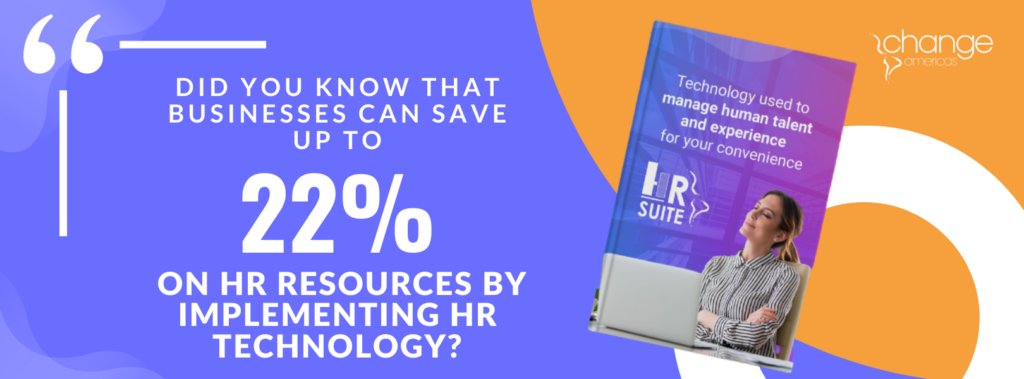
Guide on how to implement HR Management Software technology and avoid failure.
Unveiling the Benefits of Technological Skills in HR
The integration of technological skills within HR brings forth an array of transformative benefits. First and foremost, it enhances efficiency, a cornerstone of any successful organization. By automating routine tasks such as payroll management and benefits administration, HR professionals can redirect their efforts toward more strategic endeavors. For instance, the implementation of an Applicant Tracking System (ATS) has proven to be a game-changer, reducing the time it takes to hire new talent by a staggering 30%, and enabling organizations to acquire top-tier talent more expeditiously.
The Key Technology Skills Essential for HR Professionals
To fully harness the potential of the technological tools available, HR professionals must equip themselves with specific skill sets. Proficiency in using HR software like ATS and Learning Management Platforms (LMS) is paramount. A recent study underscored that a remarkable 78% of companies consider the ability to leverage data analytics indispensable for HR professionals in making informed, strategic decisions.
Catalyzing Employee Engagement and Retention
Employee engagement stands as a linchpin for organizational success. Technology serves as a catalyst in fostering engagement by creating efficient communication channels. A prime example is the implementation of an internal communications platform, which resulted in a noteworthy 20% surge in employee satisfaction and an equally impressive 15% reduction in employee turnover. This was exemplified in a case study conducted at a leading technology conglomerate.
Addressing Challenges and Forging Solutions
Undoubtedly, there are challenges in cultivating technological skills within HR. Among these challenges are resistance to change and skills gaps. To surmount these hurdles, organizations can implement structured training and development programs, foster interdepartmental collaboration, and establish effective change management strategies. A tangible example is a pharmaceutical company that initiated a technology training program for its HR team. The results were astounding, with a 25% decrease in resistance to change and a swifter adoption of new tools, showcasing the efficacy of proactive solutions.
In summary, the development of technological skills within HR is nothing short of imperative in the digital era. These skills optimize operational efficiency, bolster employee engagement and retention, and facilitate data-driven decision-making. However, it is paramount for organizations to address the inevitable challenges associated with change and skills gaps to fully reap the benefits of technological integration. Those organizations that invest in nurturing HR technology skills are unequivocally better positioned to navigate the competitive currents of today’s market and achieve sustainable, long-term success
Are you ready to boost your company’s Profitability with HR Tech?
Unlock HR Analytics: HR Suite software is the Key